

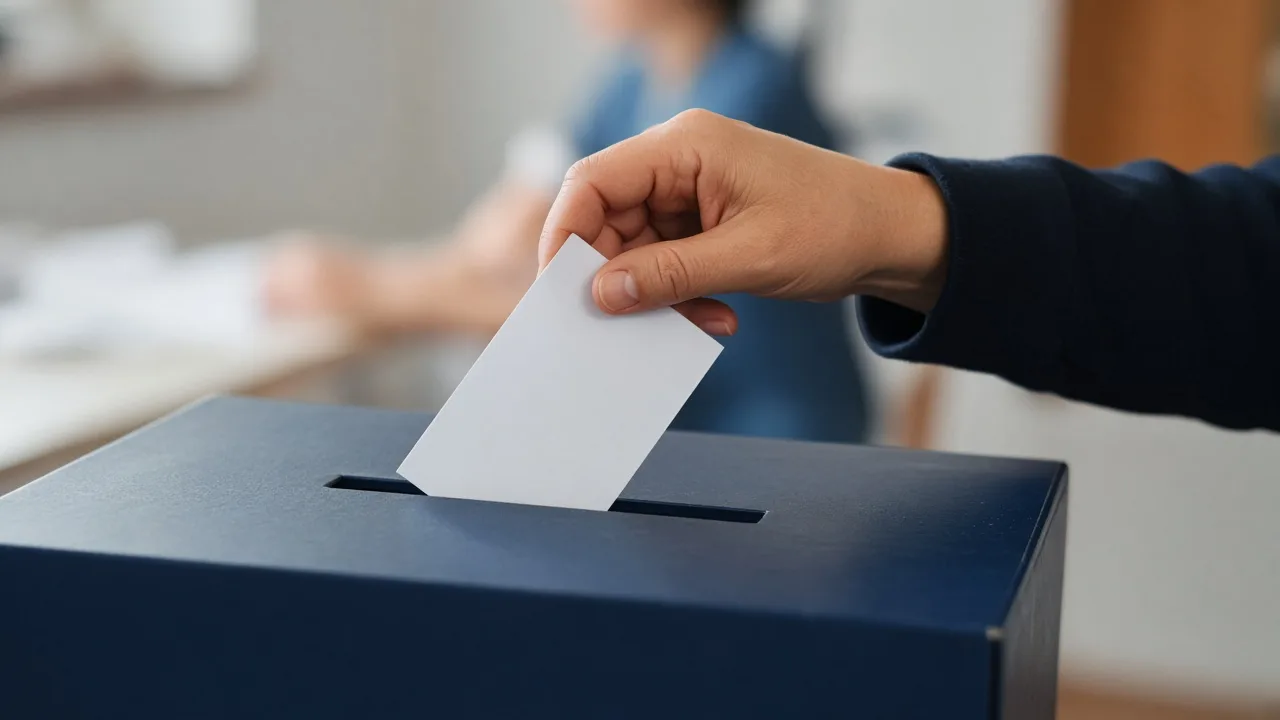
Many voters focus on Election Day in November, but the choices on the ballot are often shaped months earlier. Primary elections determine which candidates appear on the general election ballot, and the rules can differ significantly from state to state.
What Is a General Election?
A general election is the contest in which voters choose among candidates to fill an office. Federal general elections occur on the Tuesday after the first Monday in November. Candidates may be nominated by a political party, run as independents, or qualify in other ways that vary by state.
What Is a Primary Election?
A primary is held earlier to narrow the field. In a traditional partisan primary, voters choose which candidate will represent a party in the general election. Primaries are used for congressional, state and local offices, and in presidential years, states hold primaries or caucuses to help select party nominees.
Types of Primaries
- Closed primaries: Only voters registered with a party can vote in that party's primary.
- Open primaries: Voters can choose which party's primary to vote in, regardless of registration.
- Semi-closed primaries: Party members and unaffiliated voters can participate, but members of other parties cannot.
- Top-two primaries: All candidates appear on one ballot, and the two with the most votes advance regardless of party. California uses a version of this system for many state and congressional races.
Why Primaries Matter
In areas dominated by one party, the primary can effectively decide the winner. Turnout in primaries is often lower than in general elections, so each vote can carry more weight. Candidates also tend to focus on the voters who participate in the primary, which can influence the issues they emphasize.
Special and Runoff Elections
Some states hold runoff elections when no candidate wins a required share of the vote. Special elections fill vacancies that occur between regular elections.
How to Prepare
- Check your registration status and party preference with your state or county election office.
- Look up key dates, including registration deadlines and early voting.
- Review a sample ballot and learn about candidates and measures.
- Make a plan to vote by mail, early or in person.
Rules change, so verify details with your local election official before each election.
Finding Reliable Information
Your county election office and your state's secretary of state website publish official dates, polling locations and sample ballots. Nonpartisan voter guides can help you compare candidates and ballot measures. Look for sources that disclose their funding and explain how they gather information.
Comments are closed.